
Airflow Paths That Balance Every Room
Duct Installation in Phoenix for new homes and system upgrades requiring proper airflow distribution
Uneven cooling across rooms usually traces back to duct systems that were undersized, poorly routed, or installed without calculating the airflow each space requires, problems that persist no matter how efficient the HVAC equipment itself may be. BH Cooling & Heating designs and installs duct systems that deliver balanced airflow throughout Phoenix Metro Area homes, ensuring each room receives the volume of conditioned air needed to maintain consistent temperatures even during sustained afternoon heat. Custom layouts account for property size, room count, and the distance air must travel from the air handler to the farthest vents, preventing the hot and cold spots caused by inadequate duct sizing.
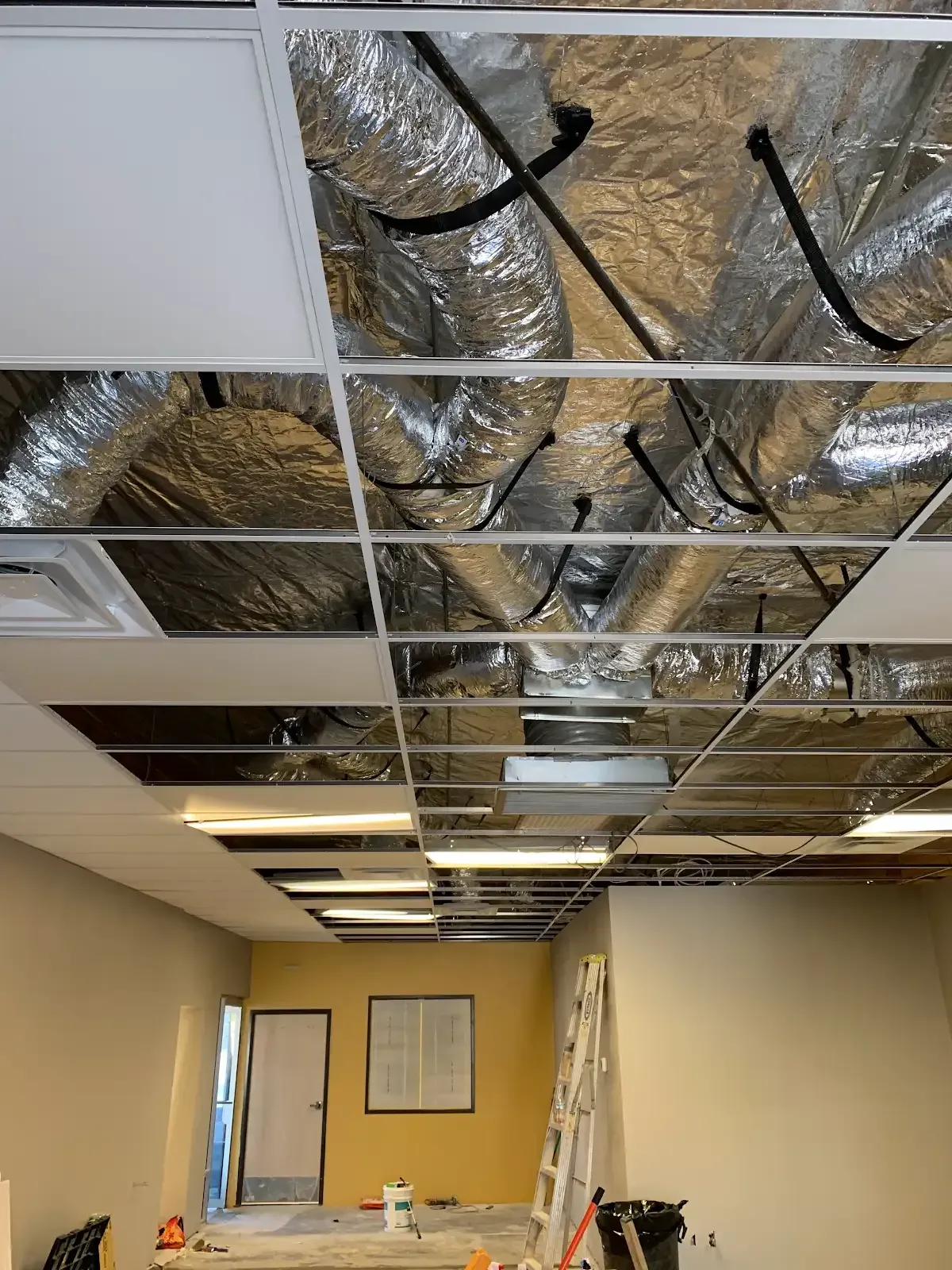
Proper duct installation begins with calculating the required airflow for each room based on square footage and heat load, then sizing branch ducts to deliver that volume without excessive friction loss. Ducts are routed to minimize sharp turns and length, sealed at all joints to prevent air leakage, and insulated in unconditioned spaces like attics where Phoenix summer heat can add significant thermal load to the air traveling through them.
Request an on-site assessment to evaluate your home's layout and determine the duct design needed for balanced temperature control.
How Duct Design Affects System Efficiency
Duct sizing follows industry standards that relate duct diameter or dimensions to the volume of air moving through them, measured in cubic feet per minute, with larger ducts required for longer runs or higher airflow demands. Undersized ducts restrict airflow and force the air handler to work harder, increasing energy consumption and noise, while oversized ducts can reduce air velocity to the point where conditioned air doesn't reach distant rooms effectively.
After duct installation, airflow from vents throughout your home feels consistent in volume and temperature, rooms reach the thermostat setting at roughly the same time rather than some cooling quickly while others lag behind, and the system operates more quietly because air moves through properly sized passages rather than rushing through restricted openings. Energy costs also decrease because the HVAC equipment doesn't compensate for losses caused by leaks or poor duct design.
Duct installation includes layout design, material supply, and complete installation with sealed joints and insulation where required, but does not include modifications to structural elements like ceiling joists or wall framing that may limit optimal duct routing in existing homes.
Common Duct Installation Questions
Understanding what influences duct design and installation helps homeowners recognize the difference between systems installed to code minimums and those designed for actual performance in desert heat.
What determines duct size for each room?
Duct diameter is calculated based on the cooling load for that room, the distance from the air handler, and the airflow velocity needed to deliver adequate volume without excessive noise, with Phoenix homes typically requiring larger ducts than national standards suggest due to higher cooling demands.
How does duct installation improve HVAC efficiency?
Properly sized and sealed ducts eliminate the air leakage that forces systems to run longer to compensate for lost airflow, and balanced distribution means the thermostat accurately reflects conditions throughout the home rather than only measuring the temperature in one location.
What material is used for residential ductwork?
Most residential ducts are constructed from sheet metal or flexible insulated ducting, with rigid metal used for main trunk lines and flex duct for branch runs to individual vents, chosen based on the installation space and airflow requirements for each section.
Can duct installation fix hot and cold spots in an existing home?
In many cases, yes, especially when the original ductwork was undersized or poorly routed, though addressing airflow problems in existing homes sometimes requires opening ceilings or walls to access the duct paths and install correctly sized replacements.
How long does duct installation take?
New installations in homes under construction typically require one to two days depending on home size and layout complexity, while retrofitting ducts in existing homes takes longer due to the need to work around finished surfaces and completed electrical and plumbing systems.
BH Cooling & Heating installs duct systems designed for long-term performance and balanced airflow across all rooms, addressing one of the most common sources of comfort problems in Phoenix homes. Contact us to review your current duct layout and explore installation options.