
Fixing Airflow Problems Without Full Replacement
Duct Modification in Phoenix for homes with uneven temperatures and poor airflow distribution
Rooms that stay warmer than others despite a functioning HVAC system usually indicate duct design problems: undersized branch lines, excessive duct length without adequate diameter, or poorly placed vents that direct conditioned air inefficiently. BH Cooling & Heating modifies existing duct systems throughout Phoenix Metro Area to correct these airflow imbalances, adjusting duct routing, resizing restrictive sections, and adding or relocating vents to improve temperature consistency without replacing the entire system. These targeted changes extend HVAC equipment life by reducing the runtime required to cool problematic rooms and lowering energy costs by eliminating the wasted capacity caused by poor distribution.
Modification work begins with measuring airflow at each vent and comparing it to the volume needed for that room's size and cooling load, identifying where ducts are too small, too long, or leaking conditioned air into attic spaces. Adjustments are made based on your home's structure and the accessibility of existing duct runs, focusing on practical solutions that deliver measurable improvement.
Schedule a home evaluation to measure current airflow and identify which duct sections are limiting system performance.
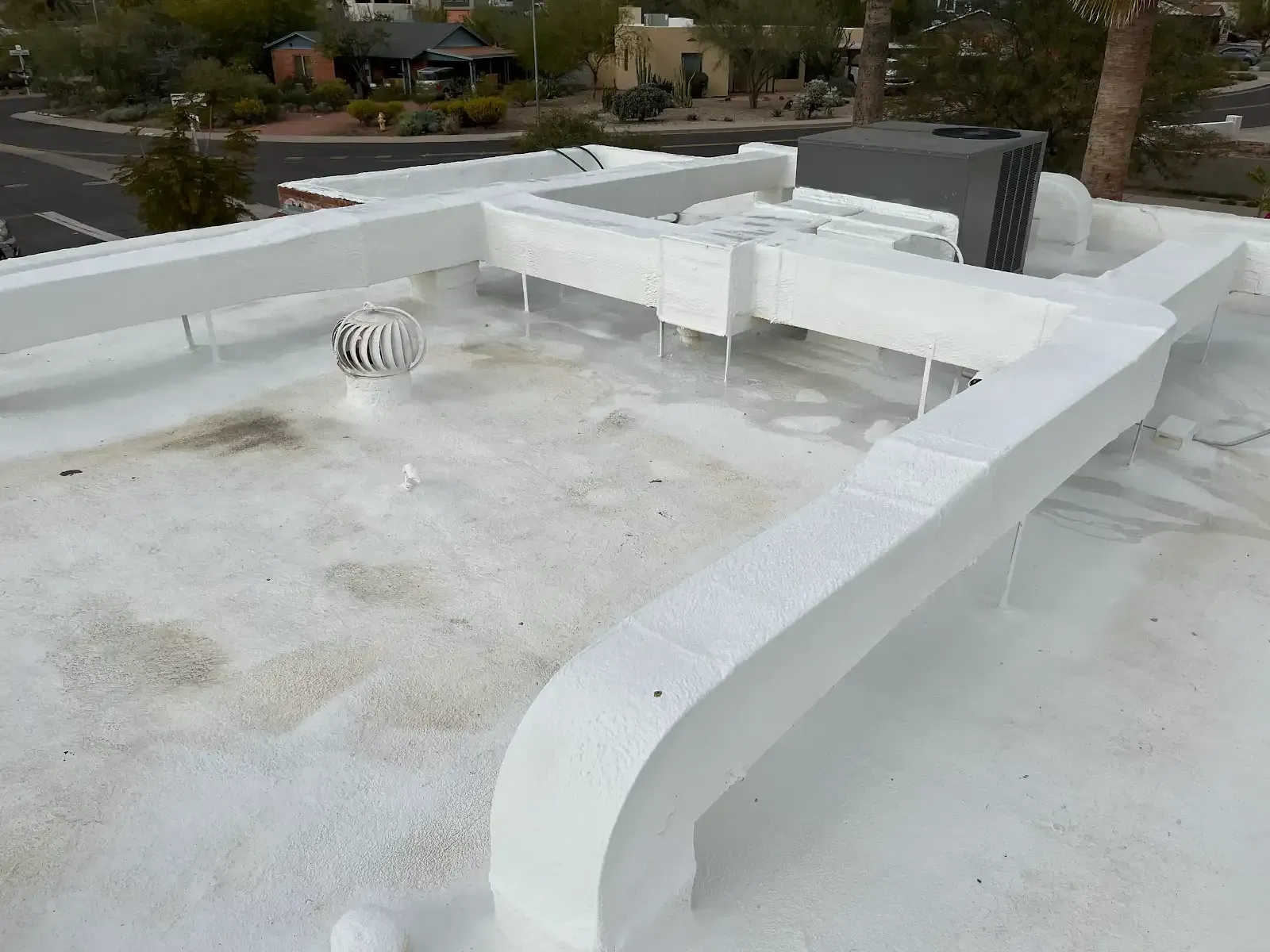
What Duct Modifications Actually Accomplish
Modification strategies include increasing the diameter of undersized branch ducts, shortening circuitous duct runs by rerouting through more direct paths, sealing leaks at joints where conditioned air escapes before reaching vents, and relocating supply vents to positions that distribute air more effectively across the room. Each change is guided by airflow measurements and the specific layout constraints of your home, prioritizing modifications that produce the largest comfort improvements relative to cost and installation difficulty.
After modifications are complete, rooms that previously stayed several degrees warmer now cool to match the rest of the home, airflow from previously weak vents increases noticeably, and your HVAC system reaches the thermostat setting without running continuously as it did when compensating for imbalanced distribution. The improvements are particularly noticeable during July and August when even small airflow restrictions become obvious as certain rooms fail to stay comfortable.
Duct modification addresses specific airflow problems identified through testing and focuses on cost-effective changes, though some homes with severely undersized or deteriorated ductwork may ultimately require full replacement if modifications can't achieve adequate airflow without extensive reconstruction.
Questions About Improving Existing Ducts
Homeowners dealing with persistent comfort problems want to know whether targeted duct changes can solve their issues or whether they're facing a complete duct replacement project.
What causes hot and cold spots throughout a home?
Uneven temperatures typically result from undersized ducts that can't deliver enough airflow to distant rooms, leaks at duct joints that lose conditioned air before it reaches vents, or poorly designed layouts that create long duct runs with excessive friction loss reducing air volume.
How do technicians determine which modifications are needed?
Airflow is measured at each vent using an anemometer, compared against the calculated requirement for that room, and traced back through the duct system to identify restrictions, leaks, or design flaws causing insufficient delivery, with modifications planned to address the specific deficiencies found.
Can duct modifications reduce energy costs?
Yes, because balanced airflow allows the thermostat to accurately control the system based on actual home conditions rather than running longer to compensate for rooms that aren't receiving adequate conditioned air, and sealing leaks prevents the waste of cooling already paid for in energy costs.
What's involved in modifying ducts in an existing Phoenix home?
Work typically includes accessing ductwork through attic hatches or removing sections of drywall where necessary, cutting and resizing duct sections, sealing joints with mastic or metal-backed tape, adding insulation where ducts pass through hot attic spaces, and testing airflow after modifications to verify improvement.
When should I modify ducts versus replacing the entire system?
Modification works well when the main trunk lines are adequately sized and only specific branch ducts need adjustment, while full replacement becomes necessary when the entire duct system is undersized, constructed from deteriorating materials, or routed so poorly that no reasonable modification can achieve balanced airflow.
BH Cooling & Heating provides honest assessments of whether duct modification will solve your comfort issues or whether more extensive work is required, focusing on practical solutions that improve system performance. Set up an appointment to have your duct system evaluated and receive specific modification recommendations.