
Designed Right Before Walls Go Up
New Construction HVAC in Phoenix for builders and homeowners planning efficient cooling from the foundation stage
Installing HVAC systems during new construction allows for proper duct routing, equipment placement, and electrical planning before drywall and finish materials lock in the layout, eliminating the compromises and workarounds that occur when retrofitting systems into completed structures. BH Cooling & Heating works with builders and homeowners throughout Phoenix Metro Area to design heating and cooling systems matched to floor plans, insulation specifications, and window orientations, ensuring the system size and duct layout support consistent temperatures across all rooms once the home is occupied. Equipment options include reliable Ruud and Midea systems selected for long-term performance in Arizona's demanding climate.
System design begins with load calculations based on the home's square footage, ceiling height, insulation values, and window area, then technicians plan duct runs that deliver balanced airflow without excessive length or sharp bends that reduce efficiency. Proper planning during framing avoids undersized ducts, poorly located vents, and equipment positioned where service access is difficult.
Schedule a consultation during the design phase to coordinate HVAC layout with construction timelines and building plans.
Why Early Planning Prevents Long-Term Problems
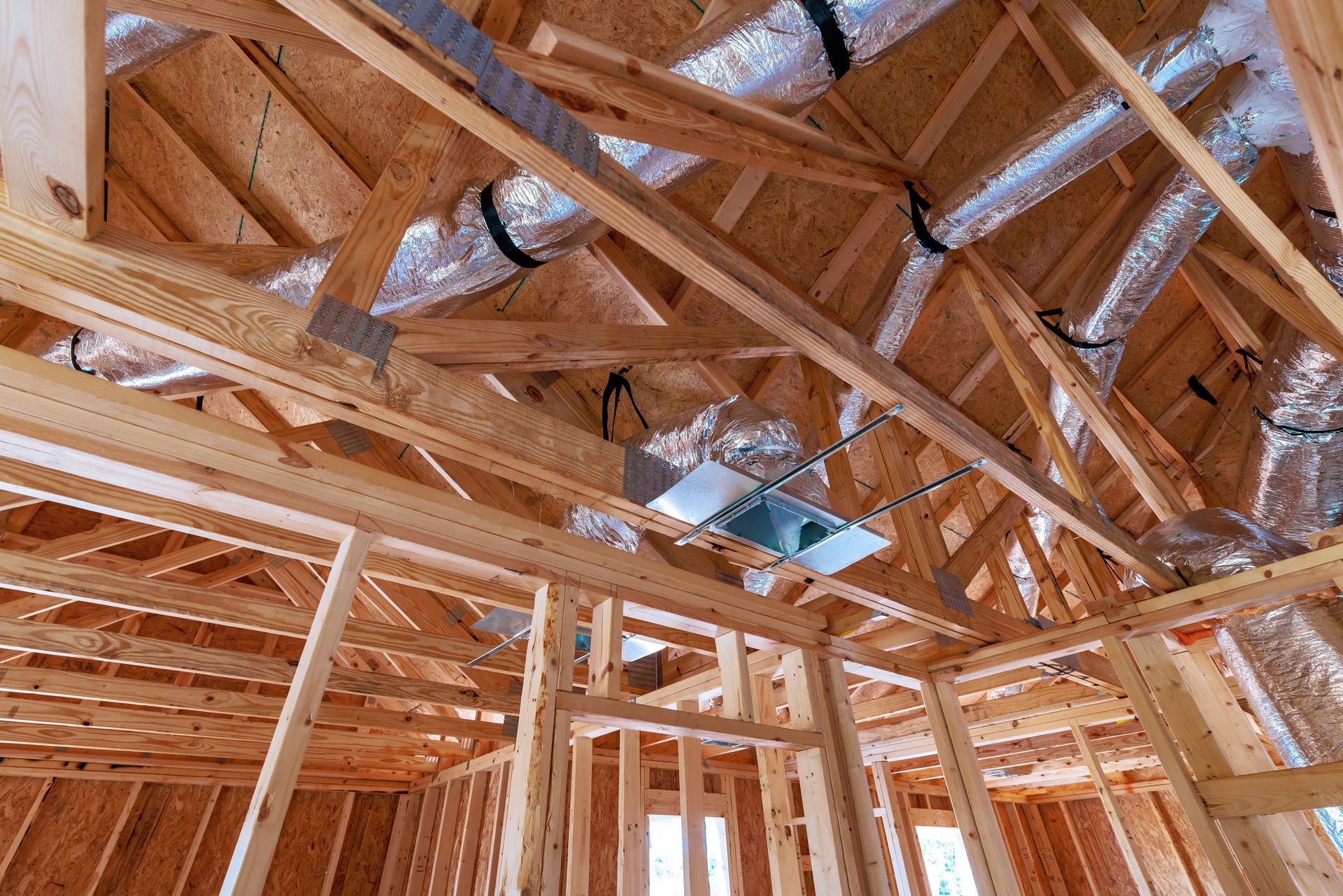
Duct systems installed during construction can follow the most efficient paths through attic spaces or between floor joists, with adequate clearance around equipment for maintenance and branch ducts sized correctly to deliver the calculated airflow each room requires. Early coordination ensures the electrical panel includes sufficient capacity for the HVAC system, the thermostat location is centrally positioned away from heat sources, and the outdoor condenser pad is poured with proper drainage and clearance from walls and landscaping.
After system installation and home completion, every room reaches the thermostat setting without hot or cold spots caused by imbalanced airflow, the system operates quietly because ducts are properly supported and insulated, and energy costs remain predictable because equipment was sized correctly rather than oversized as a precaution. You won't experience the comfort problems common in homes where HVAC was an afterthought squeezed into available space.
New construction HVAC includes complete system design, equipment installation, and duct layout, though final startup and commissioning occur after drywall and finish work are complete to verify airflow isn't restricted by construction debris or accidental duct damage during other trades' work.
What Builders and Homeowners Ask
Coordinating HVAC installation with other construction phases requires understanding equipment lead times, inspection requirements, and how system design affects both comfort and project schedules.
When should HVAC planning begin in the construction process?
System design should start during the floor plan and framing phase, allowing duct layout to inform structural decisions like joist spacing and attic access placement, with rough-in scheduled after framing inspection and before insulation.
How is the system sized for a home that isn't built yet?
Load calculations use the architectural plans to determine square footage, insulation R-values, window sizes and orientations, and ceiling heights, then apply Phoenix climate data to calculate the cooling capacity needed to maintain comfortable indoor temperatures during peak summer conditions.
What's involved in the rough-in phase?
Technicians install ductwork throughout the attic or floor structure, position the air handler in the designated mechanical space, run refrigerant lines to the outdoor condenser location, and complete electrical rough-in and thermostat wiring before insulation and drywall cover the framing.
How does new construction HVAC support project timelines?
Experienced contractors coordinate rough-in, inspection, and final startup with the builder's schedule, avoiding delays caused by equipment availability or conflicts with other trades, and ensuring the system is operational when the home reaches occupancy.
What happens if the floor plan changes during construction?
Minor adjustments to duct routing or vent placement can usually accommodate small plan changes, but significant modifications to room sizes or layout may require recalculating system capacity and redesigning duct runs to maintain balanced airflow and proper cooling performance.
BH Cooling & Heating coordinates with builders and homeowners to deliver HVAC systems that support construction timelines while ensuring long-term comfort and efficiency. Reach out during the planning phase to review system options and coordinate installation schedules.