
Preventing Breakdowns Before Cooling Season Peaks
Routine Maintenance in Phoenix for systems operating through extended high-demand cooling periods
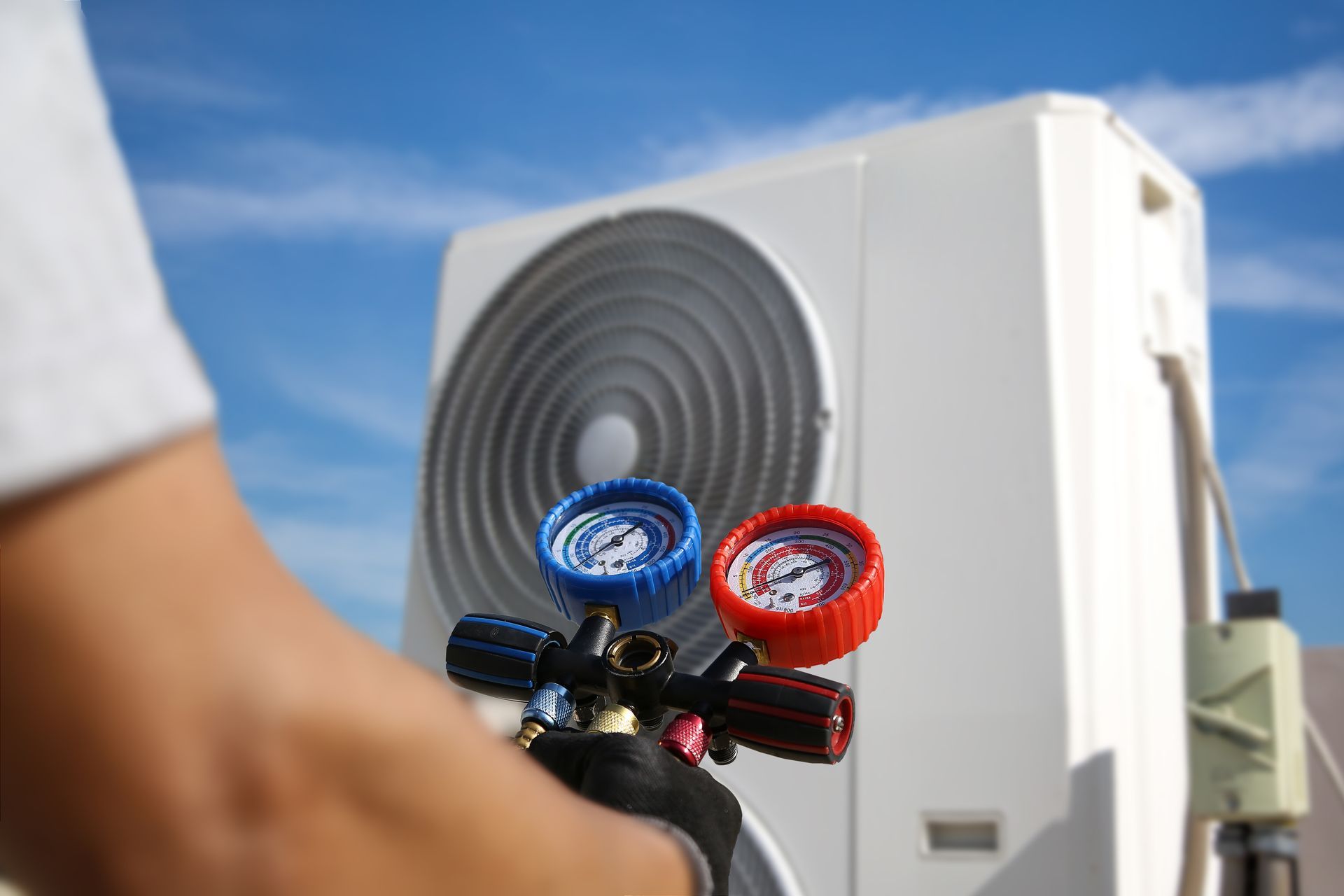
Compressor failure rates increase measurably when systems enter summer without cleaning, calibration, and wear inspections, and that matters in Phoenix where air conditioners run daily from late spring through early fall. Routine maintenance addresses the conditions that lead to breakdowns during peak usage—restricted airflow from dust accumulation on coils, refrigerant charge drift that forces compressors to work harder, and electrical connections that loosen from repeated thermal expansion cycles. BH Cooling & Heating tailors maintenance based on system type and how many hours the equipment operates annually, which varies significantly between homes with single-stage units and those running variable-speed systems.
The service includes cleaning evaporator and condenser coils, verifying refrigerant charge against factory specifications, testing capacitor performance, and inspecting electrical contacts that control compressor startup. These steps reduce the likelihood of mid-season failures and extend equipment lifespan by addressing minor issues before they escalate into component-level damage.
Arrange a pre-season inspection to prepare your system for the months when outdoor temperatures consistently exceed 105 degrees.
Why Preventative Service Reduces Repair Frequency
Dust and debris accumulation on condenser coils forces the compressor to generate higher pressures to achieve the same heat rejection, which increases operating temperatures inside the sealed compressor housing and accelerates oil breakdown. Cleaning removes the insulating layer that blocks airflow across coil fins, allowing designed heat transfer rates to resume and reducing the electrical load required to maintain refrigerant pressures.
After maintenance, systems reach setpoint temperatures faster, cycle less frequently, and draw fewer amps during compressor operation. Airflow measures closer to the original design specification, which means better humidity removal and more even temperature distribution across rooms.
Performance optimization includes measuring temperature split across the evaporator coil to verify refrigerant charge, checking blower motor amp draw to detect bearing wear before failure, and confirming that drain lines clear condensate without restriction that could lead to overflow damage.
Common Questions About Ongoing HVAC Care
Maintenance needs depend on how much dust enters the outdoor unit, how many hours the system operates each month, and whether filtration captures the fine particulate common in desert air.
What happens if maintenance gets skipped for multiple years in a row?
Efficiency declines gradually as coil surfaces accumulate buildup, refrigerant charge drifts from minor leaks, and electrical connections develop resistance that generates heat at contact points, all of which increase the likelihood of compressor or capacitor failure during high-demand periods.
How often should HVAC systems be serviced in Phoenix compared to cooler climates?
Annual maintenance suffices in moderate climates, but Phoenix systems benefit from twice-yearly service—once before cooling season and once before heating season—because extended runtime accelerates wear and dust infiltration that degrades performance.
What specific checks are included during a routine maintenance visit?
Technicians measure refrigerant superheat and subcooling to verify charge accuracy, inspect contactor pitting that indicates how close the component is to failure, test capacitors under load, clean coil surfaces, check drain line flow, and verify thermostat calibration.
Why does regular maintenance extend equipment lifespan?
Cleaning and adjustments keep components operating within their designed temperature and pressure ranges, which prevents the cumulative damage that occurs when parts run outside specifications for extended periods.
How does maintenance reduce energy costs during summer months?
Cleaned coils and correct refrigerant charge reduce compressor runtime needed to achieve setpoint temperatures, which translates directly to lower kilowatt-hour consumption during the months when air conditioning represents the largest portion of household energy use.
BH Cooling & Heating provides maintenance service designed to prevent the common failure modes that occur when systems operate continuously through Arizona's extended cooling season. Request a system evaluation to identify current performance levels and what maintenance will address before temperatures climb into triple digits.