
Systems That Stop Working in Extreme Heat
HVAC Repairs in Phoenix for breakdowns caused by constant high-temperature operation
Air conditioning systems in Phoenix run harder and longer than nearly anywhere else in the country, and that constant demand creates specific failure patterns that show up year after year. BH Cooling & Heating handles HVAC repairs across all major brands and system types, addressing the breakdowns that occur when equipment operates in temperatures that regularly exceed 110 degrees. Compressor failures, refrigerant leaks, and capacitor burnouts happen more frequently here because components cycle under stress conditions that most manufacturers never test for in controlled environments.
The service involves diagnosing what failed, why it failed, and what other components may be approaching the end of their functional life due to the same operating conditions. Repairs address the immediate breakdown while identifying wear patterns that indicate future problems, which matters because a single component failure often signals that related parts have also been operating under the same thermal load.
Schedule a system evaluation to identify what caused the breakdown and what else needs attention before the next cooling cycle begins.
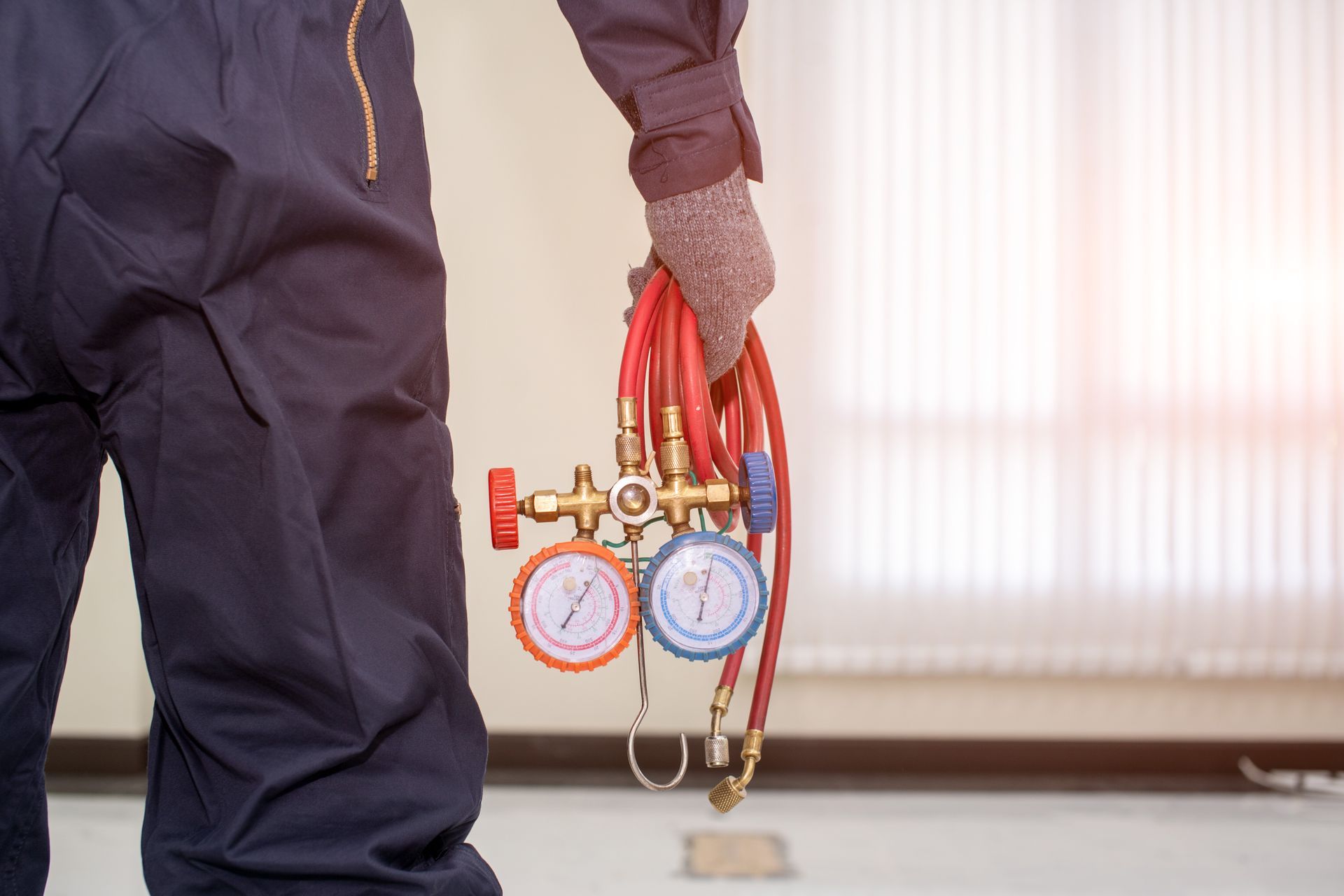
What Happens During a Complete HVAC Repair
The diagnostic process starts with identifying which subsystem failed—whether the issue originates in the outdoor condensing unit, the indoor air handler, the refrigerant loop, or the electrical controls that manage compressor operation. Testing includes measuring refrigerant pressures, checking capacitor microfarad ratings against manufacturer specifications, and inspecting contactor wear patterns that reveal how many start cycles the system has completed under load.
Once repairs are completed, airflow returns to designed cubic feet per minute ratings, refrigerant pressures stabilize within the range printed on the unit's data plate, and indoor temperatures drop predictably when the thermostat calls for cooling. The system no longer short-cycles, coils stop freezing over, and the compressor runs without the labored sound that indicates mechanical resistance inside the sealed unit.
BH Cooling & Heating provides honest assessments that distinguish between components that need immediate replacement and those that will continue functioning through the current season. Decades of hands-on experience with Phoenix-area systems means recognizing which wear patterns lead to complete failure and which represent normal aging that does not require preemptive part replacement.
Questions Homeowners Ask About System Repairs
Repair situations vary depending on system age, brand, and how many cooling hours the equipment has accumulated during Arizona summers, and these questions address what happens during the repair process.
What causes HVAC systems to fail more often in Phoenix compared to other regions?
Components like capacitors and compressors are rated for a specific number of start cycles and operating hours, and Phoenix systems accumulate those cycles faster because cooling demand runs from April through October with daily high temperatures that keep compressors engaged for extended periods.
How do you determine whether a system needs repair or full replacement?
Diagnosis involves comparing the cost of repairing the failed component against the remaining useful life of the system, factoring in whether other major parts show wear indicators that suggest additional failures within the next twelve to eighteen months.
What typically breaks first when an air conditioner runs constantly during summer heat?
Dual-run capacitors fail most frequently because they provide the voltage boost needed for both the compressor and the condenser fan motor, and repeated thermal cycling degrades the dielectric material inside the capacitor housing.
How long does a typical HVAC repair take once the problem is diagnosed?
Straightforward component replacements like capacitors, contactors, or fan motors usually complete within one to two hours, while refrigerant leak repairs and compressor replacements require additional time for evacuation, brazing, pressure testing, and system recharging.
Why do some repairs seem to last only a short time before another component fails?
When one part fails due to operating stress, other components in the same circuit have been exposed to identical conditions, so secondary failures often occur within weeks or months as those related parts reach their wear limits under the same thermal and electrical load.
BH Cooling & Heating focuses on repair solutions that address the root cause of system failures rather than temporary fixes that delay the inevitable. Contact the team to arrange diagnostics for systems that are cycling irregularly, producing weak airflow, or failing to maintain set temperatures during peak afternoon heat.