
Modernizing Systems That Can't Handle the Load
HVAC Retrofit in Phoenix for older units struggling to maintain indoor temperatures during summer
Homes built fifteen or twenty years ago often contain HVAC equipment that has degraded in efficiency or lacks the capacity to cool effectively when outdoor temperatures remain above 110 degrees for weeks at a time. BH Cooling & Heating retrofits these outdated systems with modern, energy-efficient equipment tailored to your existing duct layout and electrical infrastructure, avoiding the cost and disruption of complete system replacement while addressing the core performance problems. Retrofit solutions are designed for Phoenix Metro Area climate demands, where cooling systems operate under continuous load far longer than units in temperate regions.
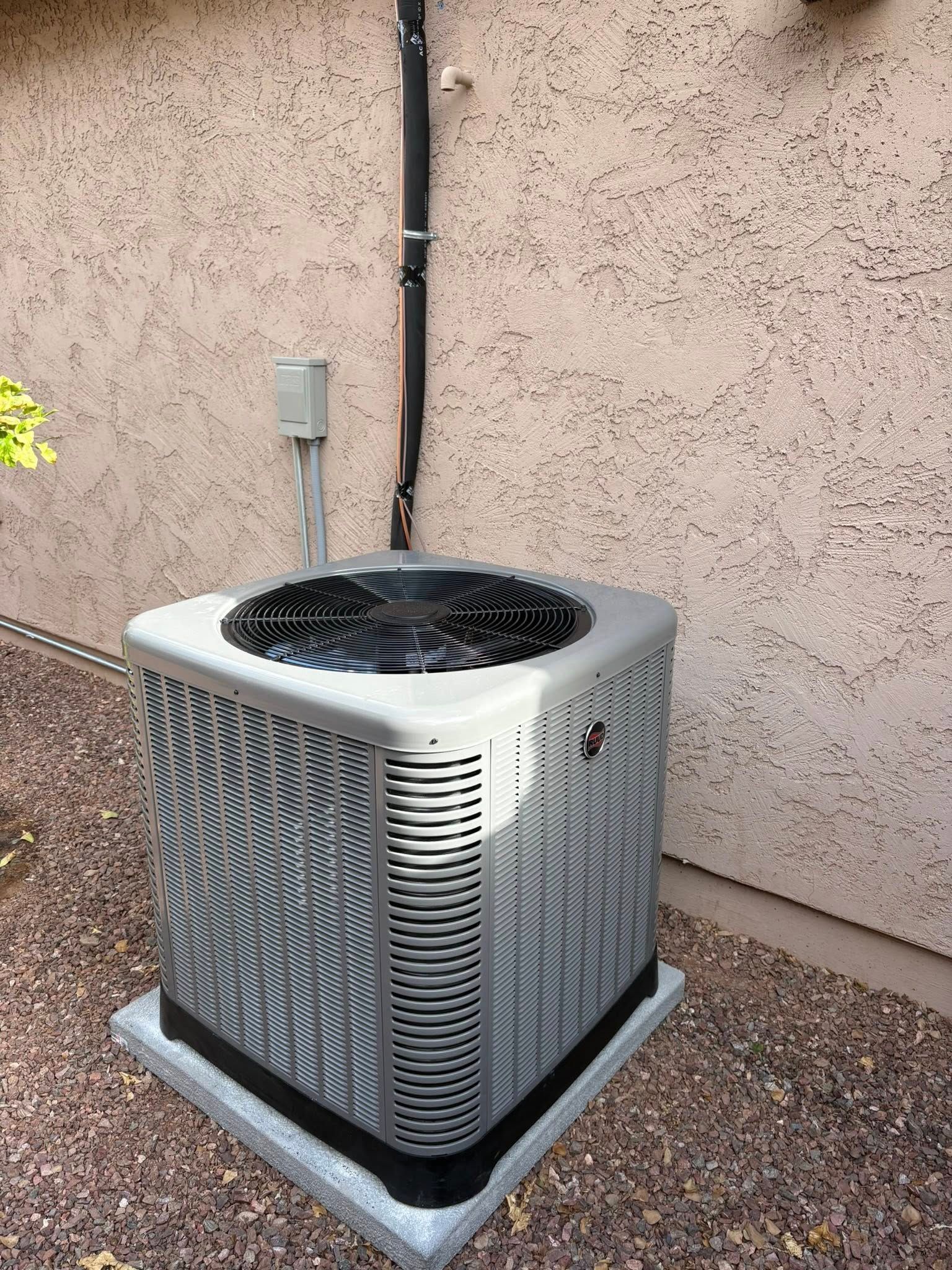
Retrofitting involves replacing the outdoor condenser, indoor air handler, or both, then integrating the new components with existing ductwork and electrical connections. Technicians evaluate your current system layout, airflow distribution, and refrigerant line condition to determine which components need replacement and which can remain in service, providing honest recommendations that balance performance improvements against project costs.
Arrange an evaluation to identify which components are limiting your system's cooling capacity and efficiency.
What Changes After Upgrading Key Components
The retrofit process focuses on compatibility between new equipment and existing infrastructure, ensuring the upgraded condenser or air handler works with your current duct sizing, thermostat wiring, and refrigerant line placement. Experienced technicians adjust refrigerant charge levels, verify electrical connections meet the new unit's power requirements, and test airflow to confirm the retrofit delivers the intended performance gains without creating new problems.
Once the retrofit is complete, your system cools the home to the thermostat setting during afternoon heat, energy consumption drops as newer equipment operates more efficiently, and breakdowns become less frequent because aging compressors and failing fan motors have been replaced. You'll also notice quieter operation, as modern condensers and air handlers run with less vibration and noise than units manufactured a decade or more ago.
Retrofit work includes equipment installation and startup testing but may require additional ductwork sealing or thermostat upgrades depending on the age and condition of your existing system components and whether they're compatible with newer control technologies.
Answers to Common Retrofit Questions
Understanding what retrofit work involves and how it differs from full replacement helps you evaluate whether upgrading specific components addresses your cooling and cost concerns.
What does an HVAC retrofit actually involve?
The process includes removing and replacing the outdoor condenser unit, indoor air handler, or both, then connecting the new equipment to existing ductwork, refrigerant lines, and electrical wiring before testing system performance and airflow balance.
How does retrofitting reduce energy costs?
Modern equipment uses variable-speed compressors and higher SEER ratings that consume less electricity per ton of cooling compared to older single-speed systems, and improved efficiency means the unit runs fewer hours to maintain the same indoor temperature.
Can existing ductwork handle upgraded equipment?
In most Phoenix homes, existing ducts can support retrofitted equipment if they were sized correctly during original installation, though older homes with undersized or poorly sealed ducts may need modifications to handle increased airflow from more powerful air handlers.
When is retrofit a better option than full replacement?
Retrofitting makes sense when your ductwork is in good condition, your electrical panel can support modern equipment, and only specific components like the condenser or air handler are failing, allowing you to gain most of the performance benefits at lower cost than replacing the entire system.
BH Cooling & Heating evaluates your current system and provides practical recommendations for retrofitting components that improve cooling performance and reduce breakdowns. Contact the company to schedule a system assessment and review retrofit options for your home.